

Are Paper Dockets Costing You Thousands Every Year
Several businesses in the tipper and construction sector have already used this grant to move away from paper.
Most operators are surprised by what paper dockets are really costing them.
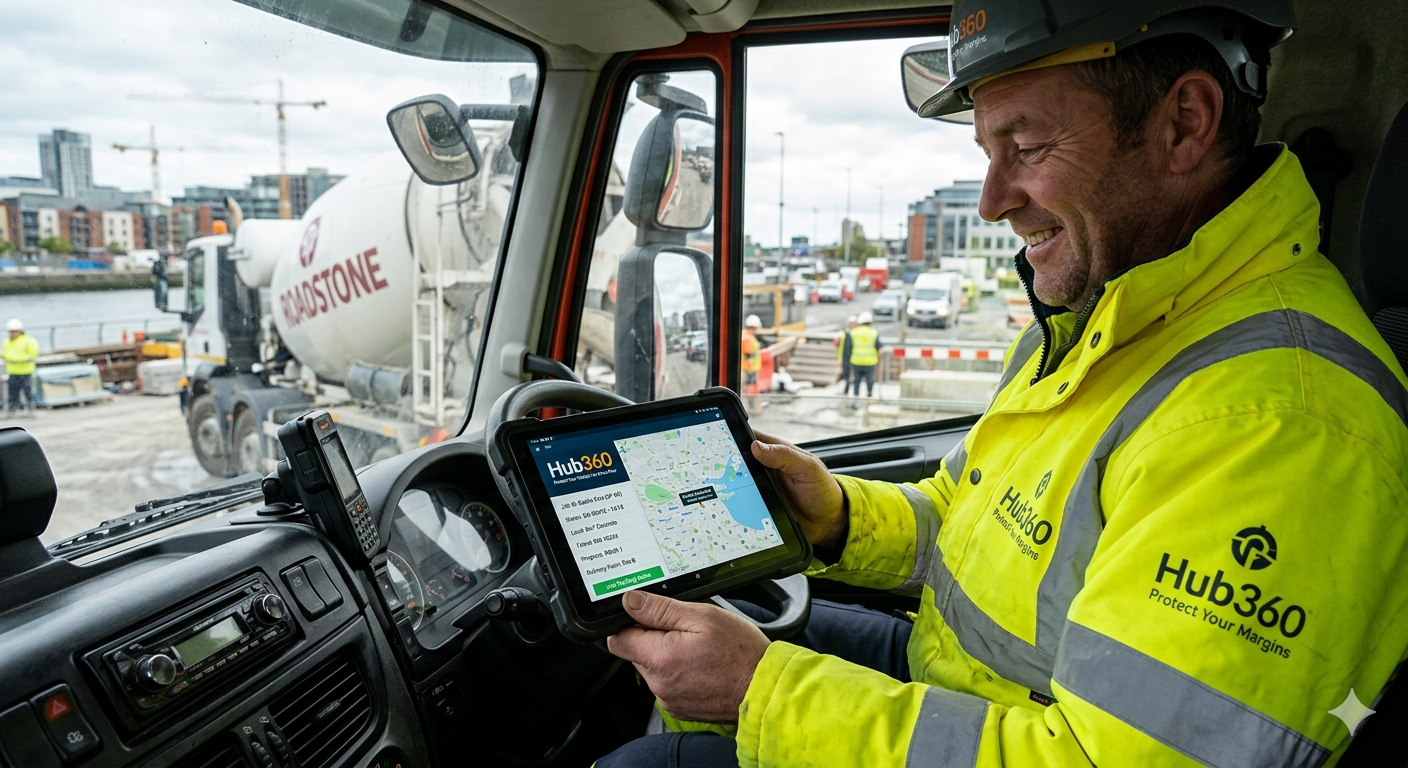
Protect Your Margins on Every Pour with Ready-Mix Concrete Delivery Management Software Ireland
Many Irish ready-mix concrete producers may be eligible to claim up to €5,000 towards digital software through the Local Enterprise Office Grow Digital Voucher.
The grant can help businesses move away from paper processes and invest in digital systems that improve visibility, reduce administration and protect margins.
For many businesses, this support significantly reduces the cost of implementing new technology.
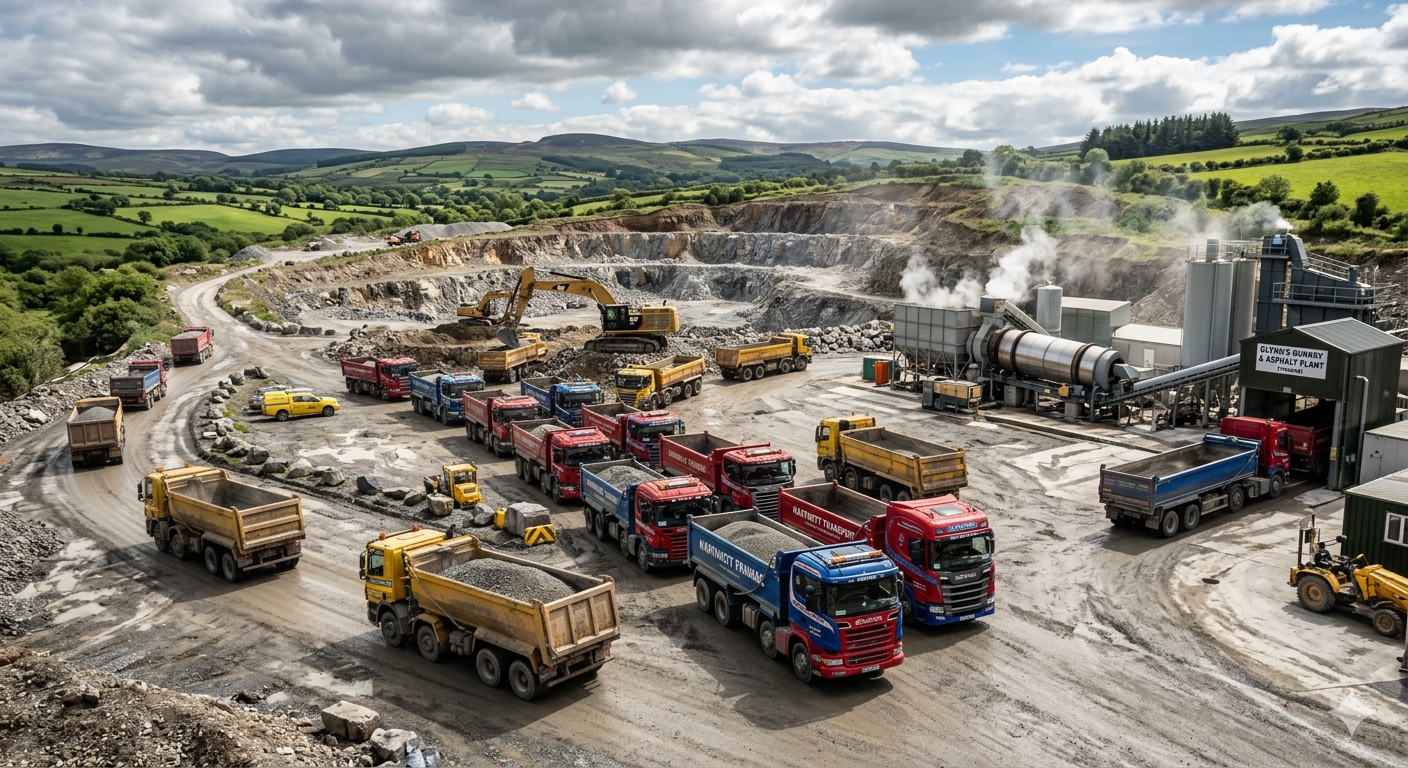
The 7 Things the Most Profitable Tipper Operators Do Differently
What separates the most profitable tipper operators from the rest? We look at the habits, systems and decisions that help successful haulage businesses win more work, get paid faster and grow sustainably.
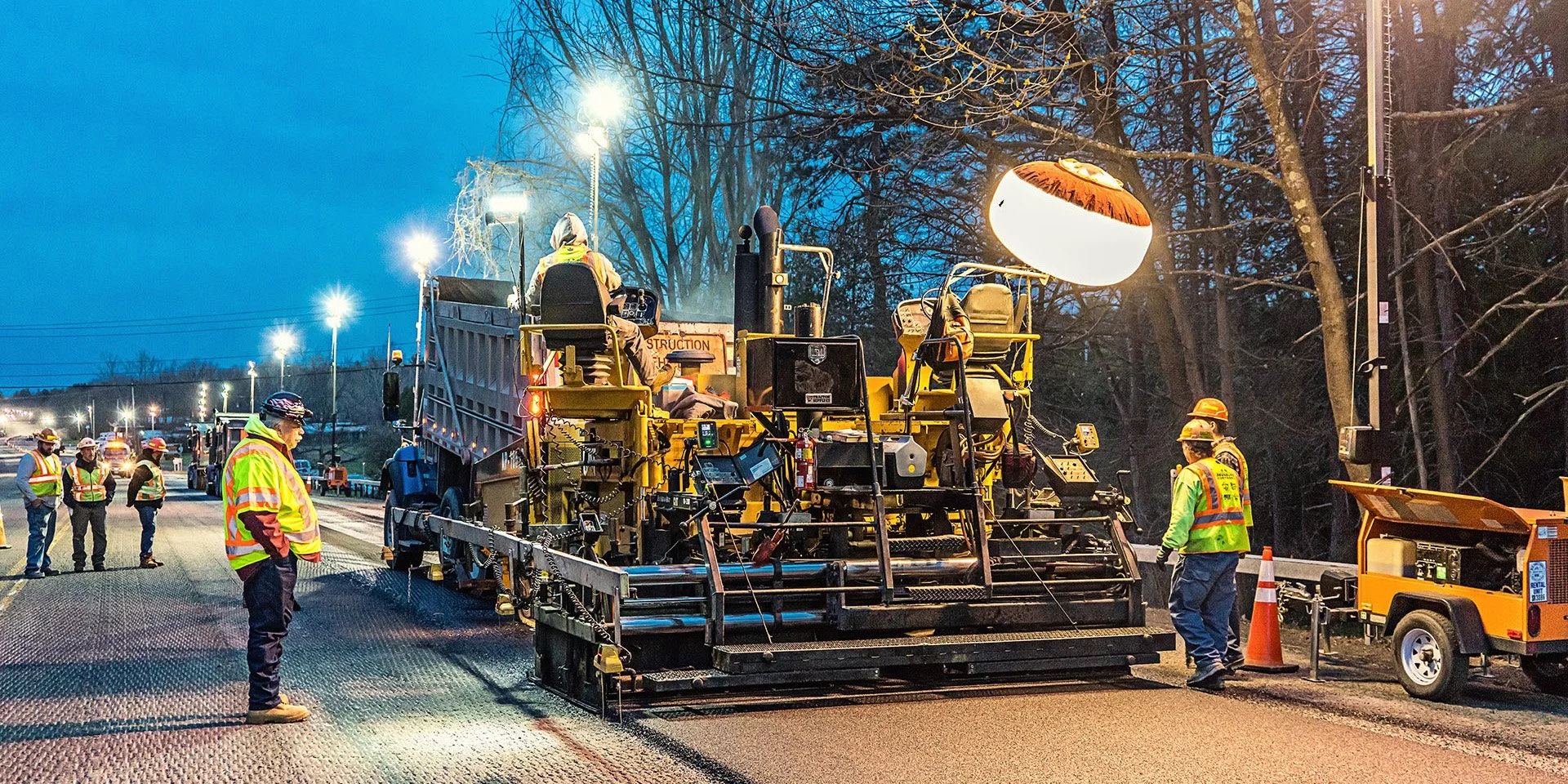
Grow Digital Grant for Asphalt and Planings Operators in Ireland: Create a Digital Chain of Custody for Every Load
The Irish construction sector itself is moving steadily toward digital workflows, with industry surveys showing growing adoption of operational software and structured digital record-keeping.
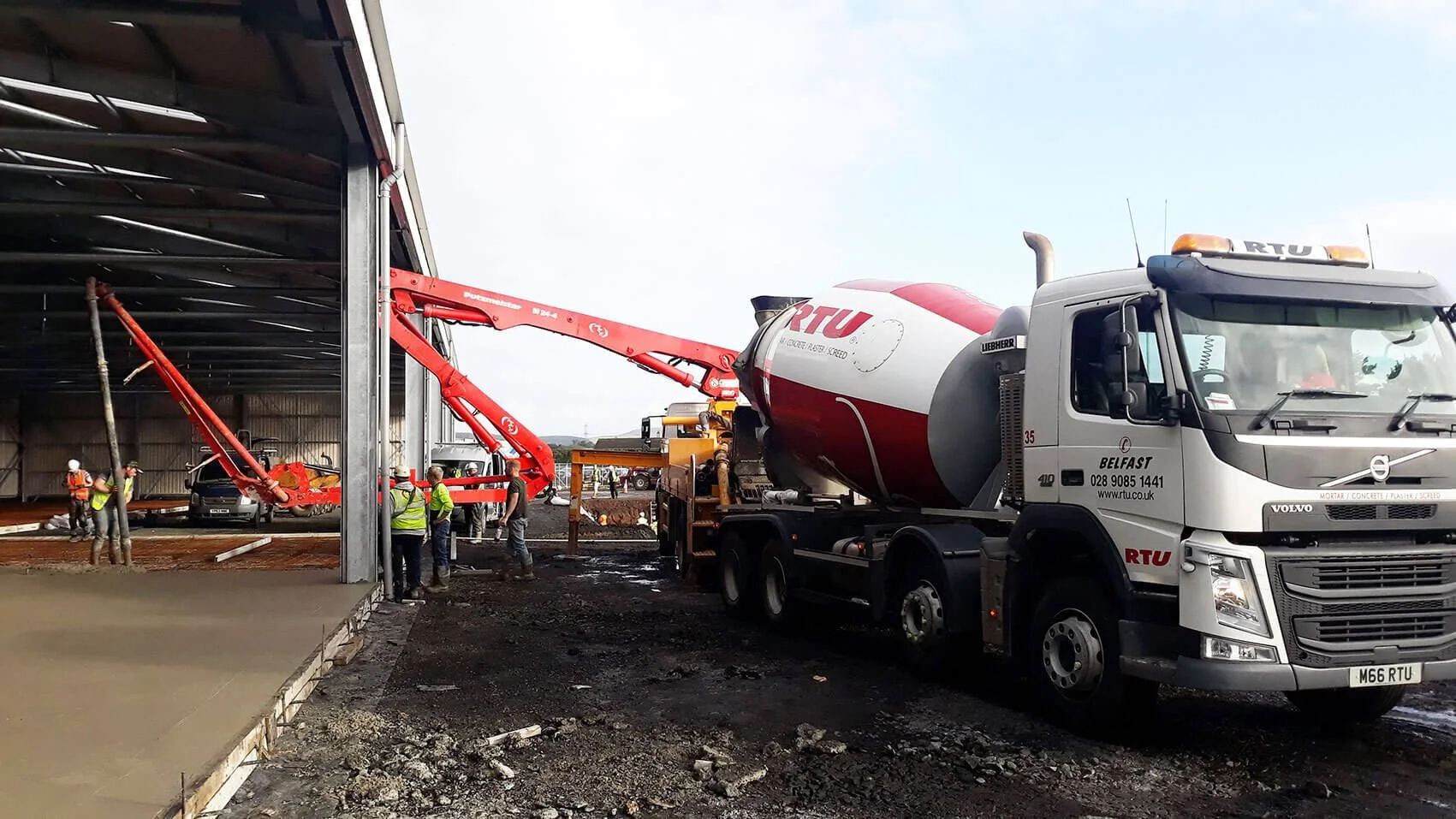
Grow Digital Grant for Ready-Mix Operators in Ireland: Reduce Waiting-Time Disputes and Get Rid of Paper Dockets
For many ready-mix operators, the real problem is not delivering concrete. It is proving what happened after the truck arrived on site.
A driver waits 45 minutes to discharge. Water is added. Someone signs a docket. A photo is taken on a phone. Later, the customer disputes waiting time or queries the load details. The office then has to piece together paper dockets, WhatsApp photos and driver memory before an invoice can go out.
That process is still normal across much of the industry — but it is also expensive.
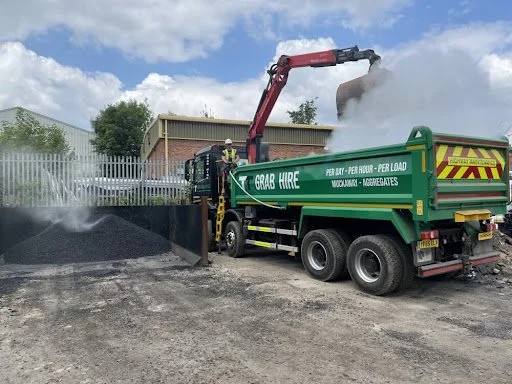
Grow Digital Grant for Aggregate Hauliers in Ireland: Stop Losing Time to Paper Dockets
A missing docket here. Ten minutes chasing a signature there. A customer asking for six weeks of delivery records on a Friday afternoon. Drivers sending photos into WhatsApp groups because paperwork is missing again.
Individually, none of these problems seem major. Across an entire year, they become a serious operational cost.
That is one reason why haulage and construction logistics businesses are steadily moving toward digital workflows. The Irish construction sector itself is already going through a wider digital shift, with industry surveys showing strong growth in the adoption of digital systems across operations and project management.
For aggregate operators, the pressure is practical rather than fashionable:
invoices need to go out faster
customers expect proof immediately
admin teams are stretched
margins are tight
paper creates delays

Grow Digital Grant for C&D Waste Operators in Ireland: Better Waste Records Without the Paper Chase
For many waste operators, the process starts with a simple question:
“How much time are we currently spending chasing paperwork?”
Once that is measured properly, the cost of manual systems is often larger than expected.
The move toward digital record-keeping in construction and waste is already happening. The businesses that can produce fast, organised and searchable proof are likely to operate more efficiently — and respond more effectively when customers, contractors or auditors ask questions later.

The Weighbridge Reconciliation Nightmare: Why Your Paper Dockets are Costing You 15+ Admin Hours Every Week
By removing the friction of paper, companies using Tipper360 report an average 75% reduction in admin time. More importantly, the "invoicing gap" drops from 7–10 days down to 24 hours. In 2026, cash flow is king—and digital tracking is the key to the castle.

“Who Added the Water?”: Use Digital Sign-Off to Protect Your Loads and Reputation
Ask any concrete supplier what causes the most painful disputes, and “water added on site” will be near the top of the list. A truck leaves the plant with a mix that meets spec. It arrives to a busy site, someone wants it wetter, and the next thing you hear is that the test cubes failed and the plant is being blamed.
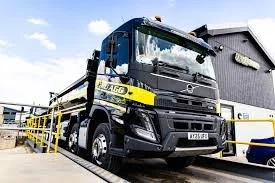
The October 2026 Mandatory Digital Waste Tracking Deadline: Is Your Tipper Fleet "Turn-Away" Proof?
The Department for Environment, Food & Rural Affairs (DEFRA) and the Environment Agency (EA) are introducing the Mandatory Digital Waste Tracking Service (DWTS) to replace the outdated system of paper Waste Transfer Notes (WTNs) and Hazardous Waste Consignment Notes (HWCNs). The goal is to eliminate an estimated £1 billion annual cost of waste crime in the UK.
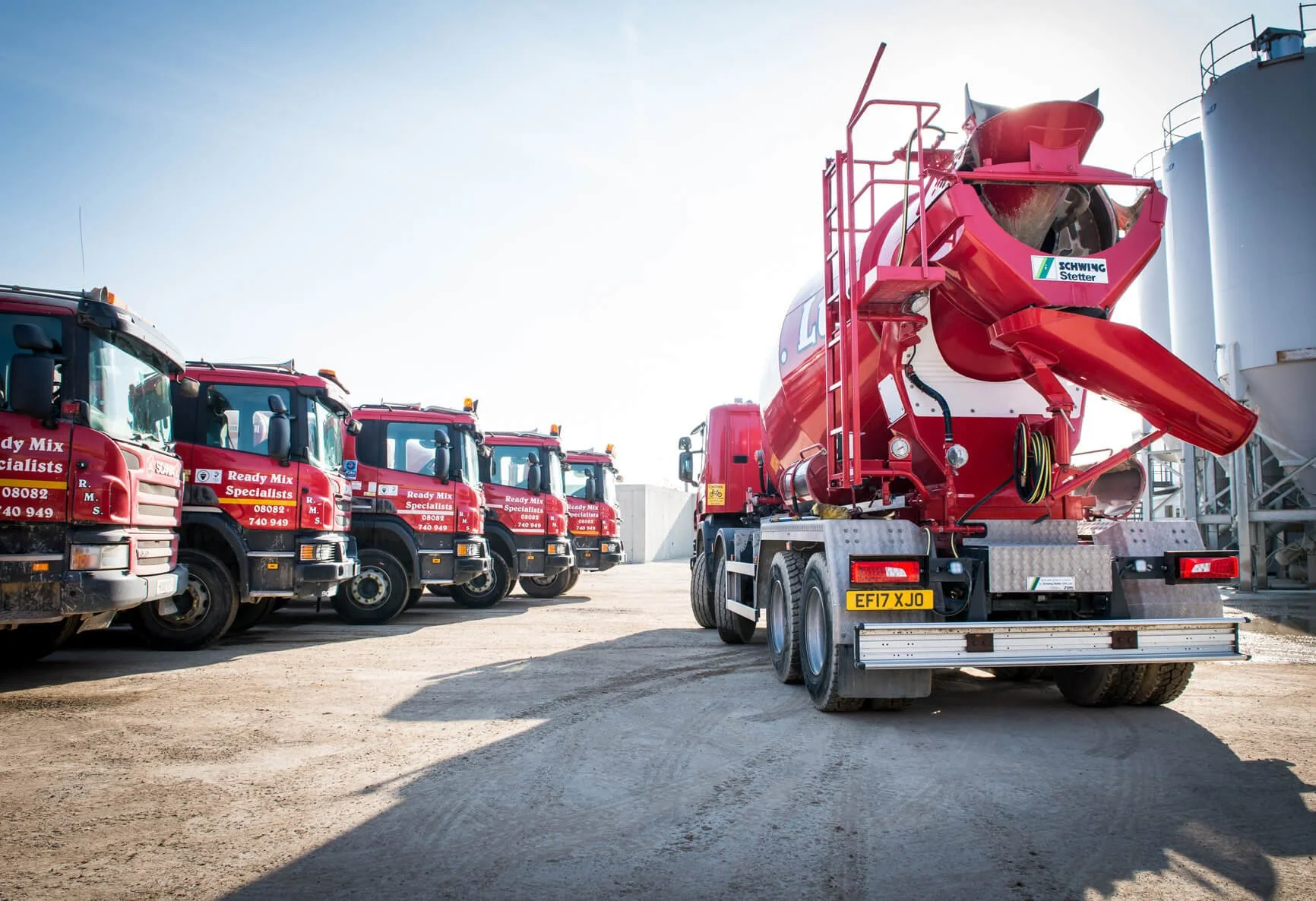
Concrete Delivery Tracking for Ready-Mix Fleets: Stop Losing Loads and Margin
Running a ready-mix concrete fleet is a balancing act. You are trying to keep trucks moving, keep plants, drivers and sites happy, and still make money on every load. When there is a delay or a rejected load, the first finger often points at the truck – even when the problem wasn’t yours.

Winning Tier 1 Contracts: Why "Green" Compliance is the New Requirement for UK Infrastructure Tenders
In the current UK market, "Tier 1" contractors (like Balfour Beatty, Skanska, and Kier) are under immense pressure to meet Environmental, Social, and Governance (ESG) targets. To maintain their own standing, they must prove that 100% of the waste generated on their sites is handled legally and sustainably.