
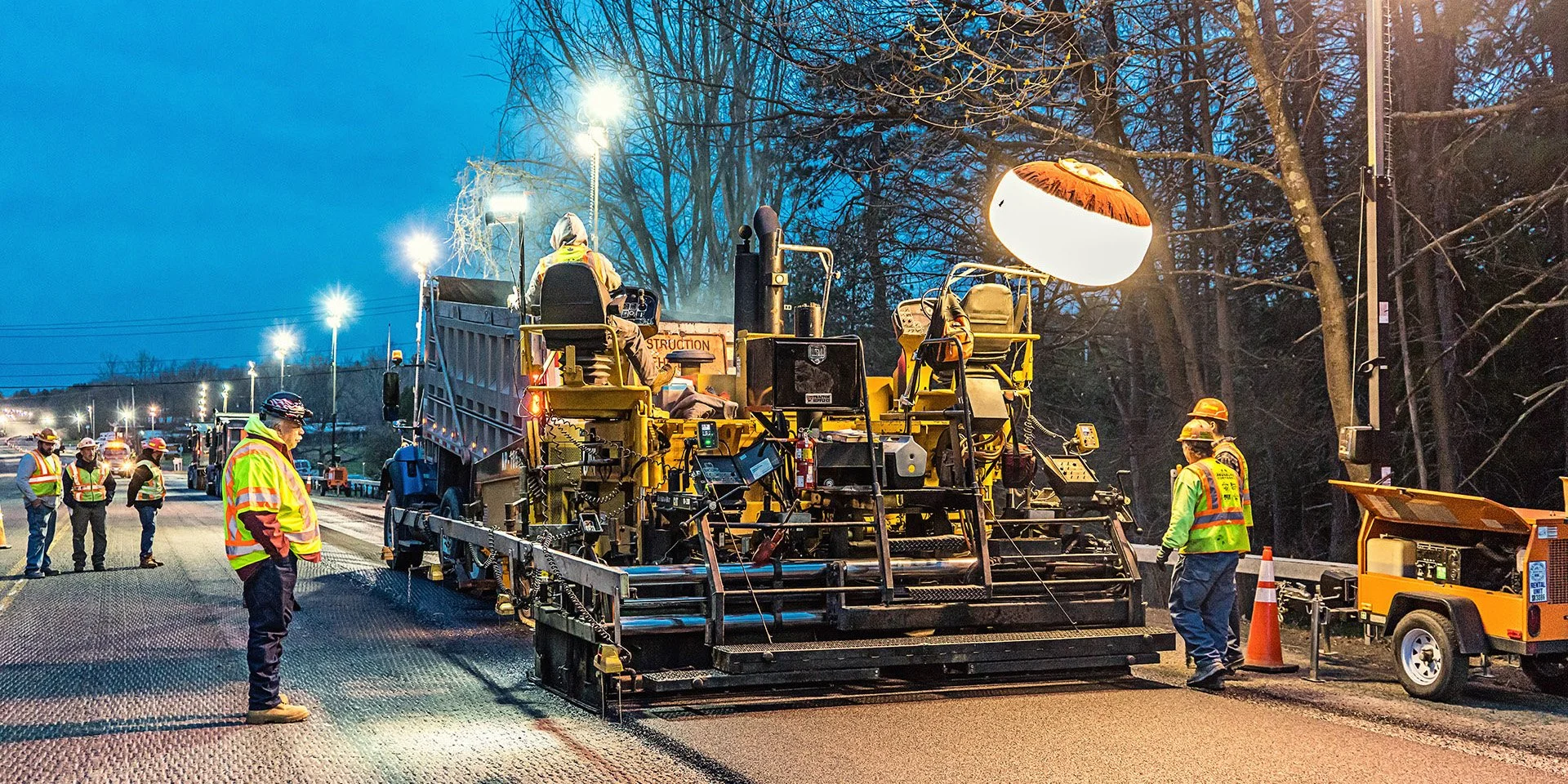
Grow Digital Grant for Asphalt and Planings Operators in Ireland: Create a Digital Chain of Custody for Every Load

In asphalt and road planings, paperwork is not just administration.

It is evidence.

Operators are regularly expected to prove:

  • where material came from

  • when it was collected

  • where it was delivered

  • who handled it

  • what happened on site

That is effectively a chain-of-custody problem.

Many businesses still manage this process using paper dockets, phone photos and separate message threads. The problem only becomes obvious when a question arises weeks later and somebody has to reconstruct the job from incomplete information.

A council queries a load destination.
A contractor asks for proof of collection timing.
A customer wants confirmation of where recycled material was delivered.

Now the office is searching through paperwork, phones and driver notes trying to rebuild the timeline.

This is one reason digital tracking systems are becoming increasingly common across materials, waste and construction logistics operations.

The Irish construction sector itself is moving steadily toward digital workflows, with industry surveys showing growing adoption of operational software and structured digital record-keeping.

For asphalt and planings operators, the operational value is straightforward:

  • stronger traceability

  • faster proof retrieval

  • less paperwork

  • clearer audit trails

  • quicker dispute resolution

The Grow Digital Grant helps Irish SMEs adopt these types of systems.

Available through the Local Enterprise Office network, the grant covers 50% of eligible digital project costs up to €5,000. It applies to qualifying Irish businesses with up to 50 employees that complete a Digital for Business assessment.

The official eligible software categories include:

  • job-tracking systems

  • workflow management software

  • field service management

  • industry-specific cloud SaaS

which aligns closely with digital chain-of-custody workflows.

Tipper360’s asphalt and planings workflow is designed specifically around this operational challenge.

Each movement can be recorded with:

  • GPS-verified pickup and destination

  • timestamps

  • photos

  • notes

  • signatures

  • digital proof packs

Instead of relying on scattered paperwork, the business has a structured digital history for each job.

That becomes valuable very quickly when information is requested later.

Rather than searching filing cabinets or chasing drivers for photos, the office can retrieve:

  • collection details

  • delivery confirmation

  • timestamps

  • supporting images

  • job history

from a single system.

The Tipper360 savings calculator helps estimate the hidden cost of manual processes by using operational assumptions and construction administration benchmarks, including:

  • time spent handling paper dockets

  • time spent locating records

  • reporting effort

  • dispute-resolution workload

For asphalt and planings operations, these admin costs are often higher than standard aggregate work because additional traceability and documentation are frequently required.

There is also a reputational benefit.

Customers increasingly expect contractors and operators to provide fast, organised proof when questions arise. Businesses that can produce structured digital records quickly are often easier to work with than businesses relying on paper trails and fragmented communication.

The Grow Digital Grant reduces the cost of implementing these systems.

According to the published guidelines, eligible costs can include:

  • software subscriptions

  • onboarding

  • setup

  • implementation support

  • staff training

provided the software is new to the business and fits within the approved digital categories.

For many operators, the decision starts with a practical operational review:

  • How much time is currently spent handling paperwork?

  • How often are records difficult to retrieve?

  • How quickly can proof be produced when requested?

  • How much admin time is tied up in rebuilding job histories?

Once those questions are examined properly, the case for digital chain-of-custody systems becomes much clearer.

The broader construction industry is already moving toward more structured and traceable digital workflows. Asphalt and planings operators are facing the same pressure — especially on projects where proof, transparency and accountability matter.

The businesses that can provide that efficiently are likely to have a growing operational advantage over the next few years.

Next
Next

Grow Digital Grant for Ready-Mix Operators in Ireland: Reduce Waiting-Time Disputes and Get Rid of Paper Dockets