
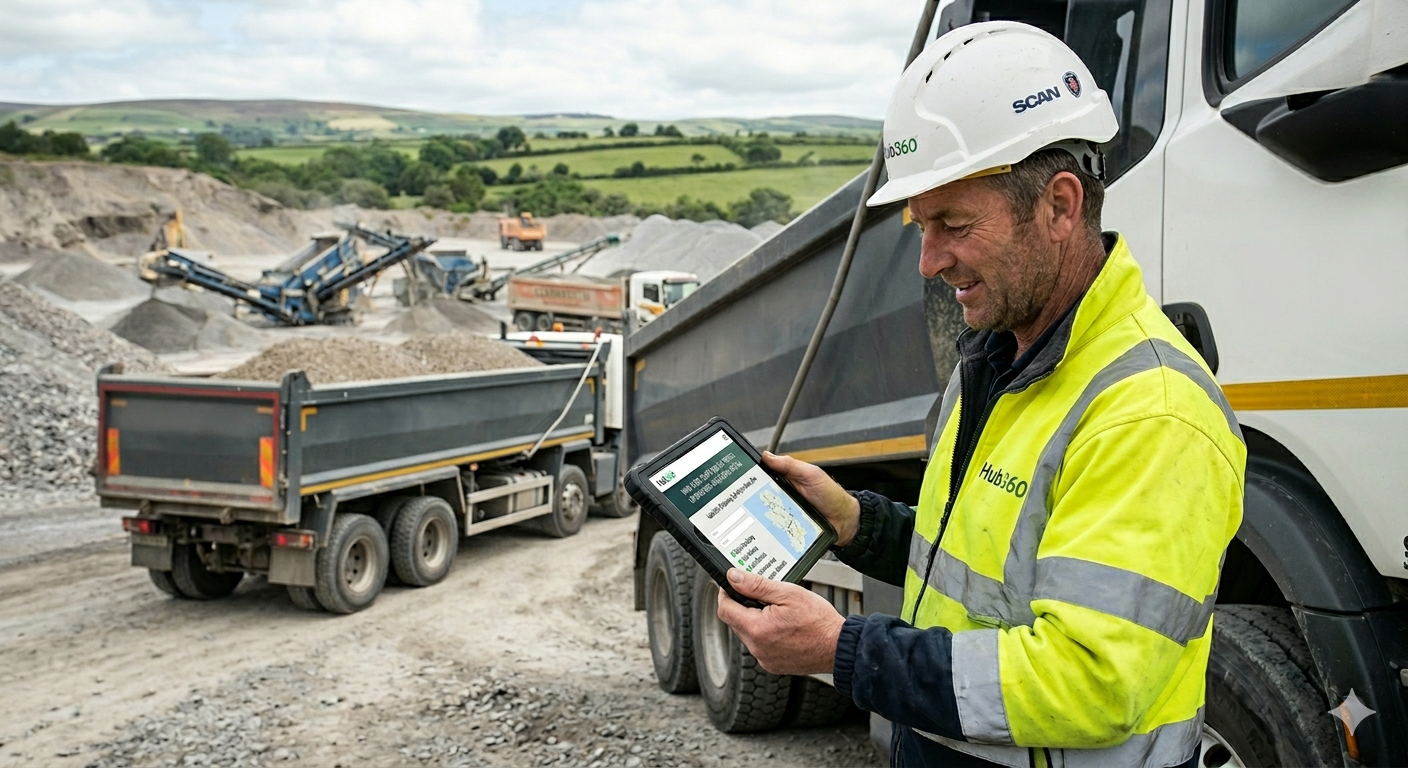
Why Irish Aggregate Suppliers and Tipper Operators Are Going Digital
If you run tipper trucks, deliver stone or sand, move spoil, or manage subcontractors, you'll know that paperwork has a habit of taking over your day.
A simple delivery can involve dockets, phone calls, driver queries, photos, signatures, and trying to work out where loads actually are. Then there's chasing paperwork for invoices and answering customer questions days or even weeks later.
The reality is that most aggregate suppliers and tipper operators didn't get into this business to sit behind a desk.
They got into it to move loads.
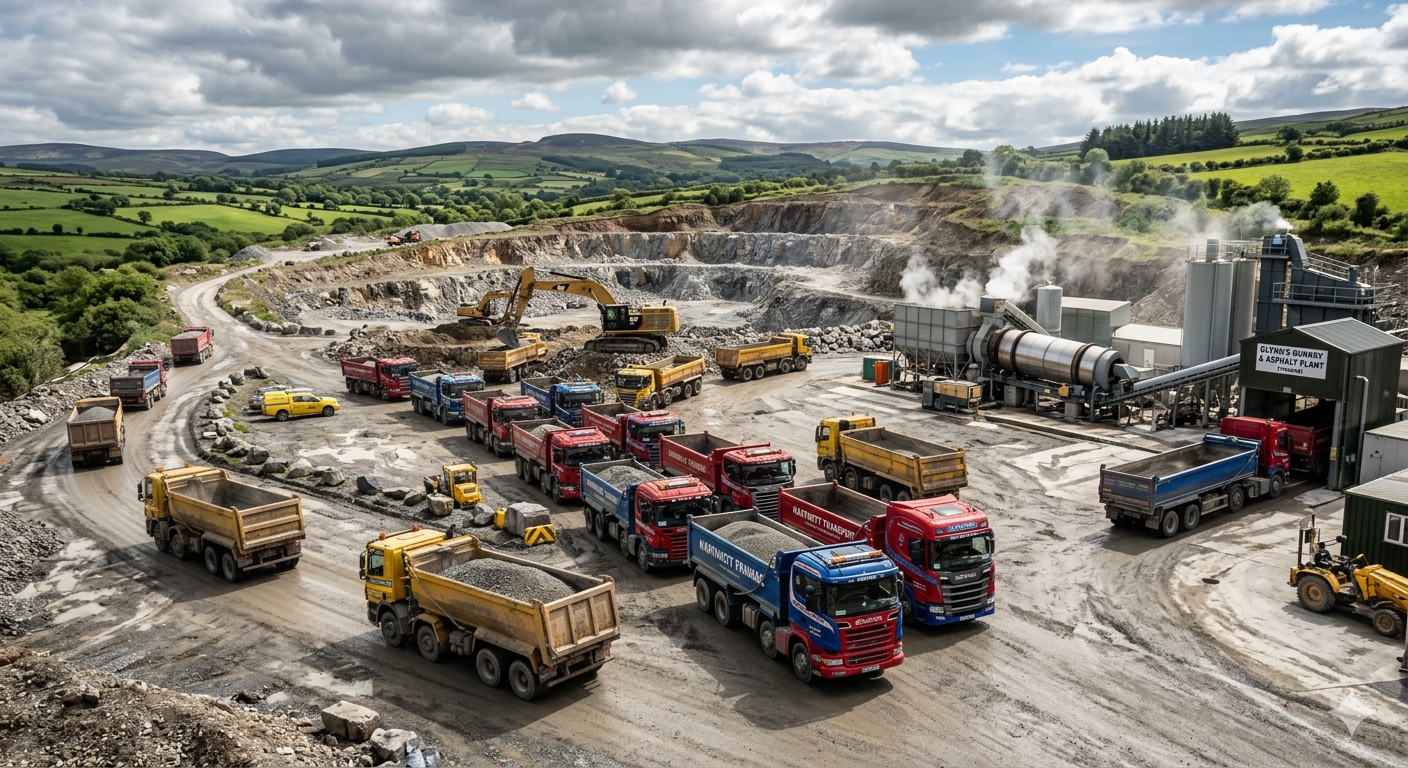
The 7 Things the Most Profitable Tipper Operators Do Differently
What separates the most profitable tipper operators from the rest? We look at the habits, systems and decisions that help successful haulage businesses win more work, get paid faster and grow sustainably.
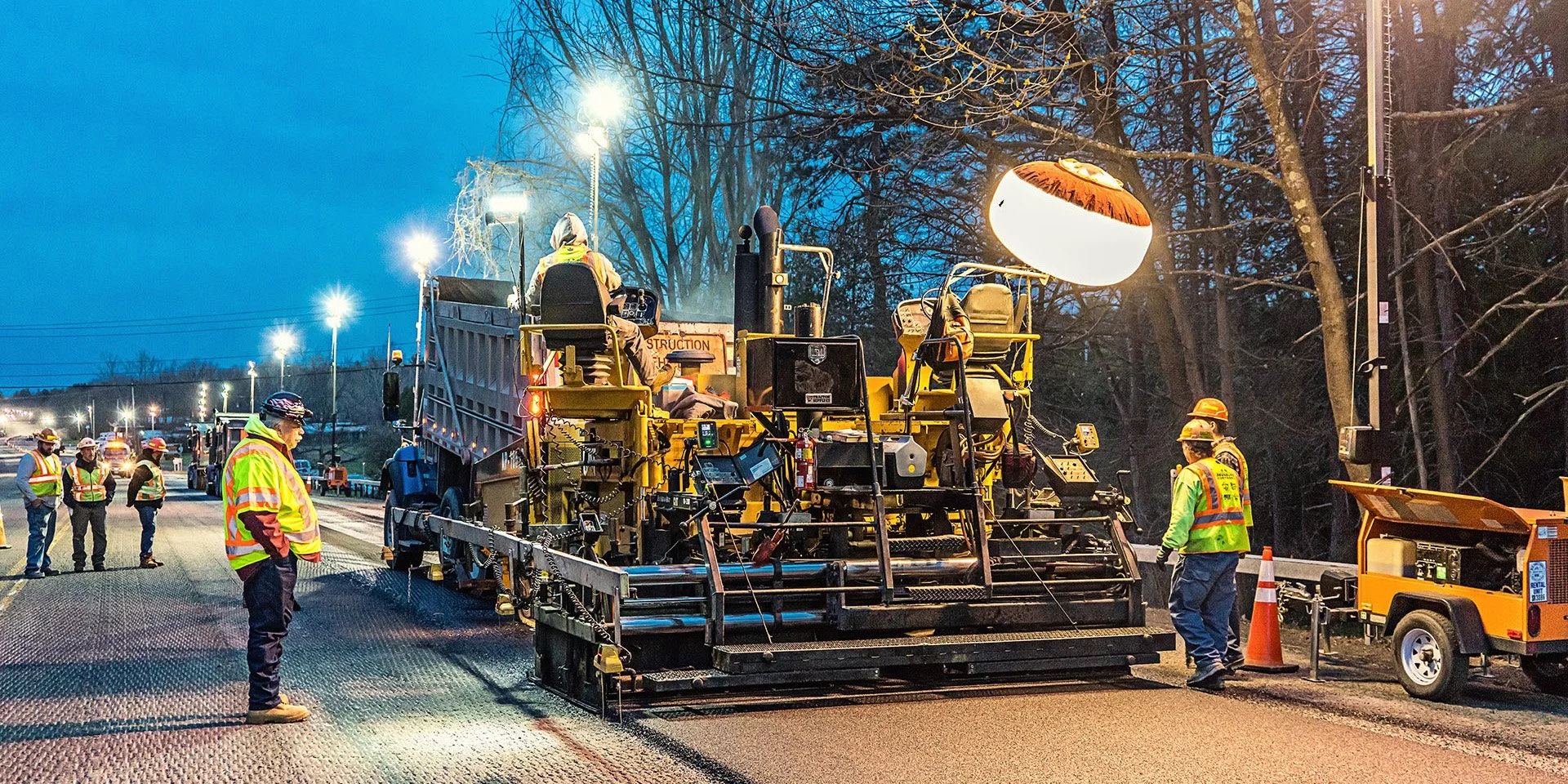
Grow Digital Grant for Asphalt and Planings Operators in Ireland: Create a Digital Chain of Custody for Every Load
The Irish construction sector itself is moving steadily toward digital workflows, with industry surveys showing growing adoption of operational software and structured digital record-keeping.
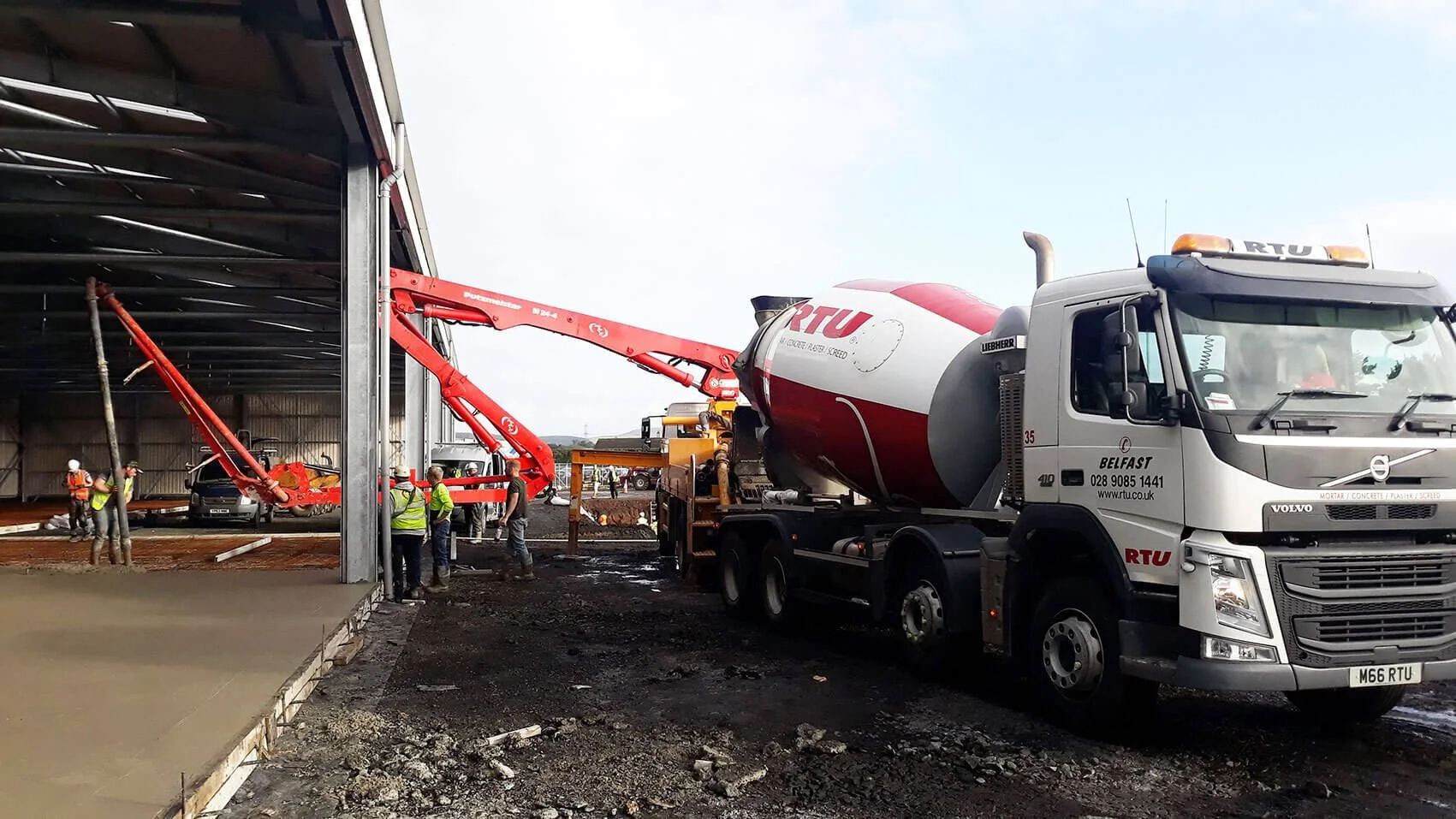
Grow Digital Grant for Ready-Mix Operators in Ireland: Reduce Waiting-Time Disputes and Get Rid of Paper Dockets
For many ready-mix operators, the real problem is not delivering concrete. It is proving what happened after the truck arrived on site.
A driver waits 45 minutes to discharge. Water is added. Someone signs a docket. A photo is taken on a phone. Later, the customer disputes waiting time or queries the load details. The office then has to piece together paper dockets, WhatsApp photos and driver memory before an invoice can go out.
That process is still normal across much of the industry — but it is also expensive.

Grow Digital Grant for C&D Waste Operators in Ireland: Better Waste Records Without the Paper Chase
For many waste operators, the process starts with a simple question:
“How much time are we currently spending chasing paperwork?”
Once that is measured properly, the cost of manual systems is often larger than expected.
The move toward digital record-keeping in construction and waste is already happening. The businesses that can produce fast, organised and searchable proof are likely to operate more efficiently — and respond more effectively when customers, contractors or auditors ask questions later.

“Who Added the Water?”: Use Digital Sign-Off to Protect Your Loads and Reputation
Ask any concrete supplier what causes the most painful disputes, and “water added on site” will be near the top of the list. A truck leaves the plant with a mix that meets spec. It arrives to a busy site, someone wants it wetter, and the next thing you hear is that the test cubes failed and the plant is being blamed.

“My Drivers Won’t Use an App”—Why That’s Not a Problem Anymore
As the construction industry embraces digital transformation, a notable challenge emerges from an older cohort within the workforce resistant to adopting new technologies. This resistance hinders the industry's seamless integration of digital tools. HUB360, having encountered this concern regularly, draws from firsthand experience to overcome these barriers and drive significant change.

Why It’s Time to Ditch Paper Dockets for Good
Paper-based systems are inherently prone to human error. Misplaced orders, lost documents, and data entry errors can significantly impact project timelines and budgets. Digital material management systems, however, offer real-time data entry and retrieval, reducing errors and increasing accuracy. For example, using smart tech waste materials can be tracked accurately from site pick up to waste facility. This not only minimises the risk of issues but also streamlines operations, making the management and audit process 100's more efficient.

From the Office Desk: 9 Ways Tipper360 Makes Delivery Dockets Easier
Suzie Norris has been working in Moyglare Sand & Gravel for the past 24 years. The company recently onboarded the HUB360 Tipper App Solution which means they now run a completely paperless delivery business and in this video Suzie gives a first-hand account of her experience getting setup and using the system

Survival of the Fittest- 5 Ways to Keep Your Clients Happy (and Make Sure They Call You First)
In today's rapidly-evolving business landscape, manufacturers who are still relying on outdated logistics practices are putting themselves at risk of becoming obsolete. Companies must urgently adapt to the digital age and embrace innovative technologies to optimize their outbound logistics operations, cut costs, and reduce their carbon footprint. Failure to do so not only means losing out on market share but also failing to meet customer expectations, which could lead to long-term damage to their brand reputation. To survive and thrive in the competitive manufacturing industry, updating outbound logistics practices is no longer an option but an imperative. The time to act is now - Don't Get Left Behind!