
Be ready for DWTS with clean digital proof on every tipper load.
Tipper360 helps UK tipper operators replace paper dockets with searchable digital load records for muck away, C&D waste, aggregates and site deliveries. Drivers can capture job details, GPS and time data, photos and signatures—even where signal is poor.
Digital load-recording software for UK tipper operators—built around real jobs, real drivers and the information customers and receiving sites may need.
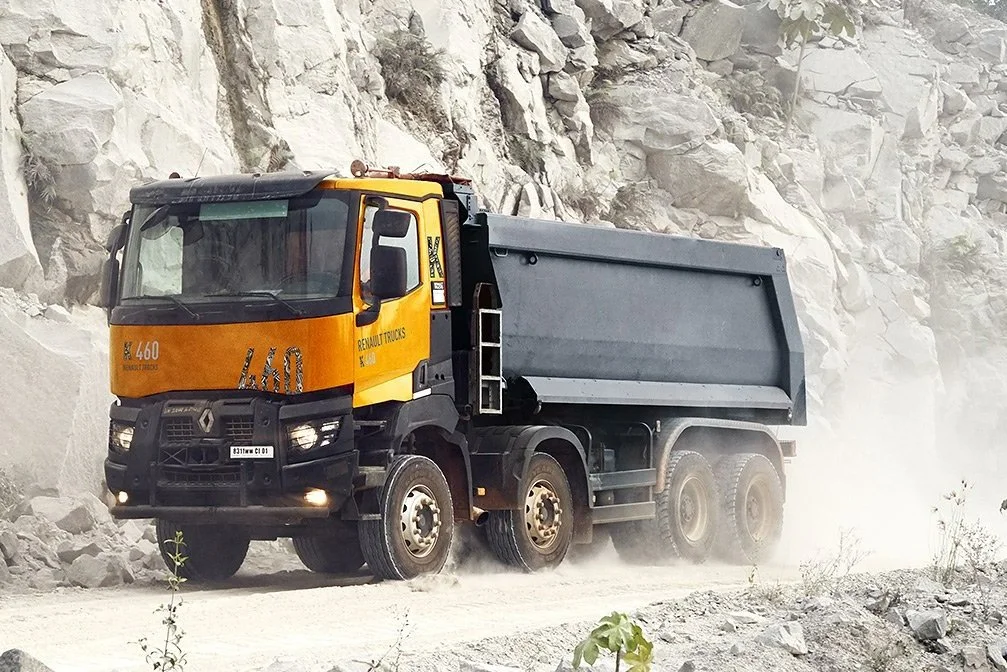
Over 10 years shaped by real construction deliveries, tipper operators, drivers and site teams across Ireland and the UK.
Check if your current ticket process is ready for digital waste tracking.
Get a practical review of your current ticket, driver and proof process. We’ll show where paper tickets, WhatsApp photos or missing records could create problems — and how Tipper360 can put every load record in one searchable place.
The issue is no longer just compliance. It is proving every load quickly and cleanly.
Missing tickets delay payment
Lost dockets, unreadable tickets and missing signatures create customer disputes, invoice delays and unnecessary admin.
Every load becomes more traceable
Receiving sites will digitally report the waste they receive, giving regulators better information about individual waste loads and carriers.
Clean records help win better work
Infrastructure, quarry and civils projects increasingly expect auditable proof packs and clean delivery evidence.
DWTS will not create the operational problem — it will expose the operators who already have one.
If your operation still relies on paper tickets, WhatsApp photos and manual chasing after the job, now is the time to tighten the process.
What Tipper360 does—and what it does not claim
Tipper360 helps operators capture and organise load records and supporting evidence. It is not the government Digital Waste Tracking Service and does not decide whether a material is legally classified as waste. Statutory submissions must be made through the official service or compatible software required for the relevant reporting phase.
Drivers record the load. Your office has the proof. You can find any docket instantly.
Tipper360 is built for the day-to-day reality of tipper work. Instead of waiting for paper tickets to return, each completed load can be recorded by the driver and made available to the office straight away—ready to check, share and use for invoicing.
No more missing paper dockets
Keep load details, GPS timestamps, photos, signatures and relevant waste information together.
Simple for drivers—even without signal
Drivers can capture the job in quarries, civils sites and remote locations and synchronise later.
Find any load in seconds
Search by site, truck, customer, material or driver instead of searching through boxes and messages.
One practical system for waste and non-waste loads
DWTS applies to waste movements, but tipper businesses also carry aggregates, products and other non-waste loads. Tipper360 provides one consistent way to record the job while allowing the relevant information to be captured for each type of load.
Does DWTS apply to what you carry?
DWTS applies according to the legal status of the material—not simply because it is carried in a tipper. Classification can depend on the material, its origin, its intended use and how it is managed. Confirm uncertain cases with the appropriate regulator or a qualified waste adviser.
| Job type | DWTS applies? | Key requirement |
|---|---|---|
| Muck away / excavated soil | Yes, where legally classified as waste | Confirm waste status, classification, EWC/LoW code and destination |
| C&D waste | Yes, where moved as waste | Waste classification and receiving site evidence |
| Aggregates / Type 1 | Not normally, when supplied as a product | Commercial proof of delivery remains important |
| Planings | Depends on classification | Confirm whether the material is legally being handled as waste |
| Ready-mix concrete | Normal product deliveries are not generally waste movements | Rejected, returned or discarded concrete may require separate classification |
Do paper waste transfer notes disappear in October 2026?
No. The first mandatory phase focuses on permitted or licensed sites reporting the waste they receive. Tipper operators and carriers should continue following the waste transfer note, consignment note and duty-of-care requirements that currently apply to them unless the relevant regulator confirms a change.
For carriers, the wider mandatory Digital Waste Tracking phase is currently planned for October 2027. Customers and receiving sites may still ask carriers for cleaner digital information before that date, which is why preparing the operational records now makes sense.
Direct answers for UK tipper operators
Replace paper tickets before customers force the issue
Give drivers a straightforward way to record each job and give your office the load details, photos and signatures without waiting for paper to come back.
Built for UK muck away, aggregates, civils and waste movements
Regulatory information checked 27 August 2026 against GOV.UK Digital Waste Tracking Service
guidance and DAERA Northern Ireland guidance. Requirements and dates may change. This page
provides general information and is not legal or regulatory advice.
Official sources:
GOV.UK Digital Waste Tracking Service
and
DAERA Northern Ireland.