
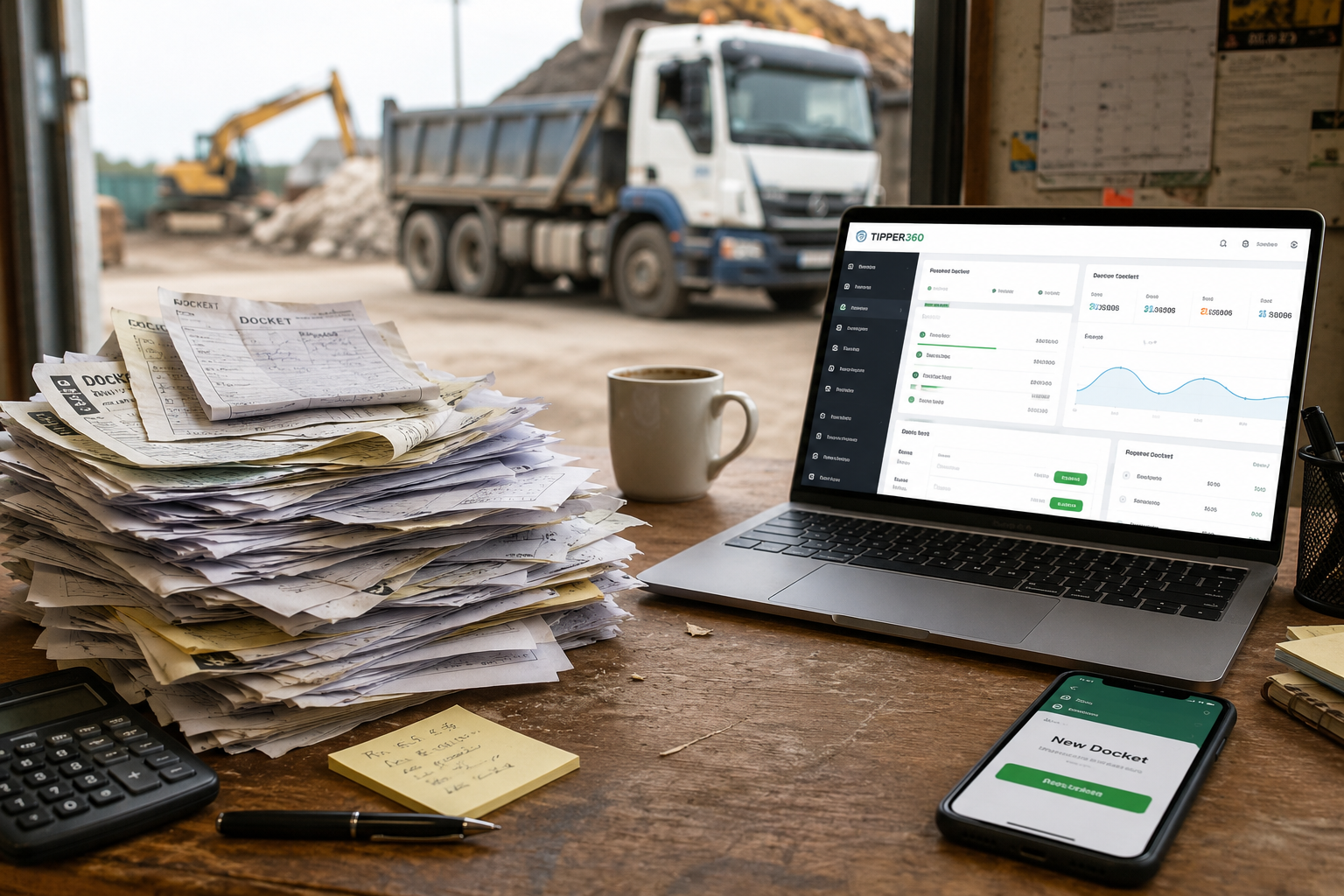
Still Using Paper Dockets? Here’s What They Could Be Costing YourTipper Business
Paper dockets create more work than you might realise. See how missing records, repeated data entry and delays affect your tipper business.
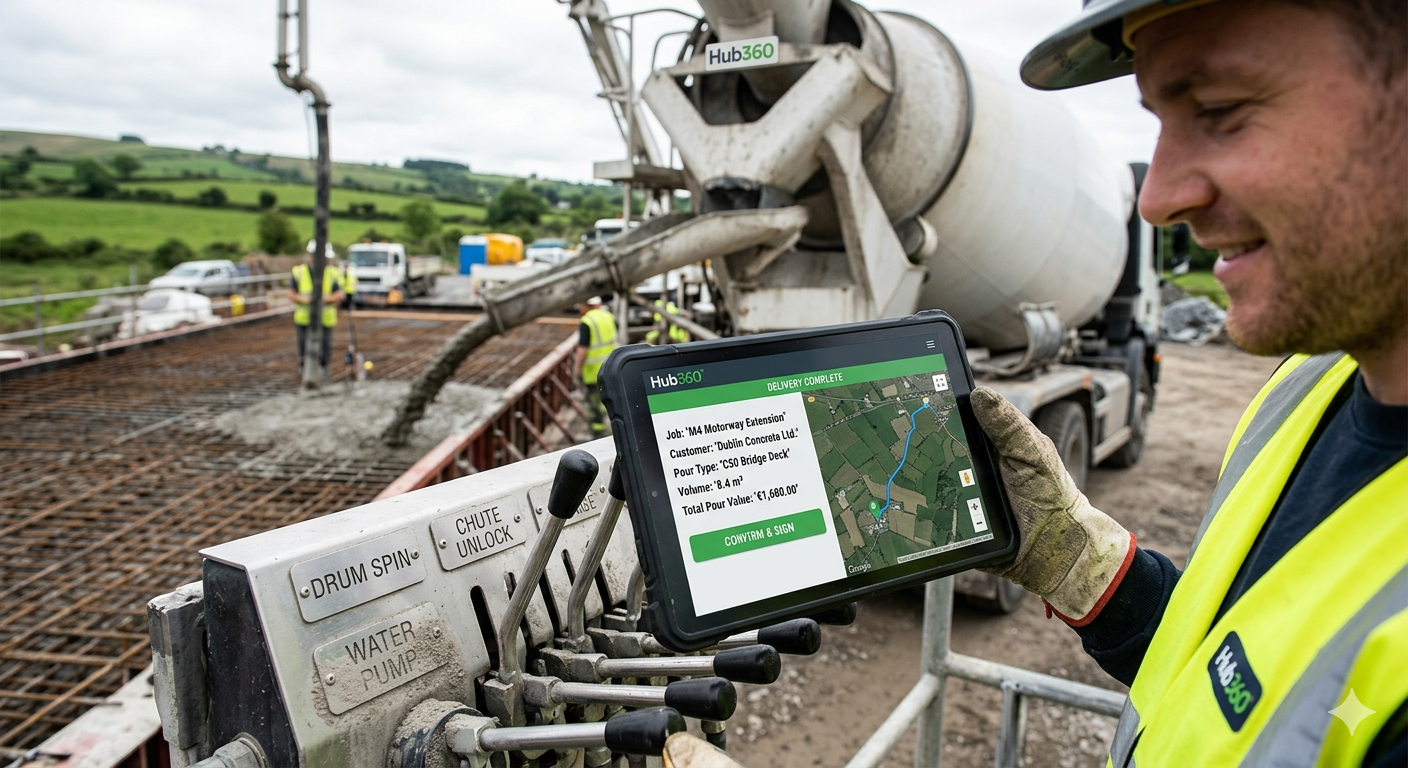
Get Up to €5,000 to Go Digital: Why Irish Tipper and Concrete Fleets Are Replacing Paper Dockets
If you're still using paper dockets to run your tipper, muck-away, aggregate or ready-mix concrete fleet, you're not alone. I speak to companies across Ireland every week that are still relying on duplicate books, WhatsApp messages and pieces of paper sitting in the cab of a truck.
The reality is that paper dockets are costing businesses far more than they realise.
Lost paperwork, delayed invoicing, missing signatures, disputes over deliveries and hours spent manually entering data all eat into profits. For many Irish fleets, the hidden cost of paper runs into thousands of euro every year.
The good news is that many Irish businesses may be able to access grants of up to €5,000 to help them go digital.
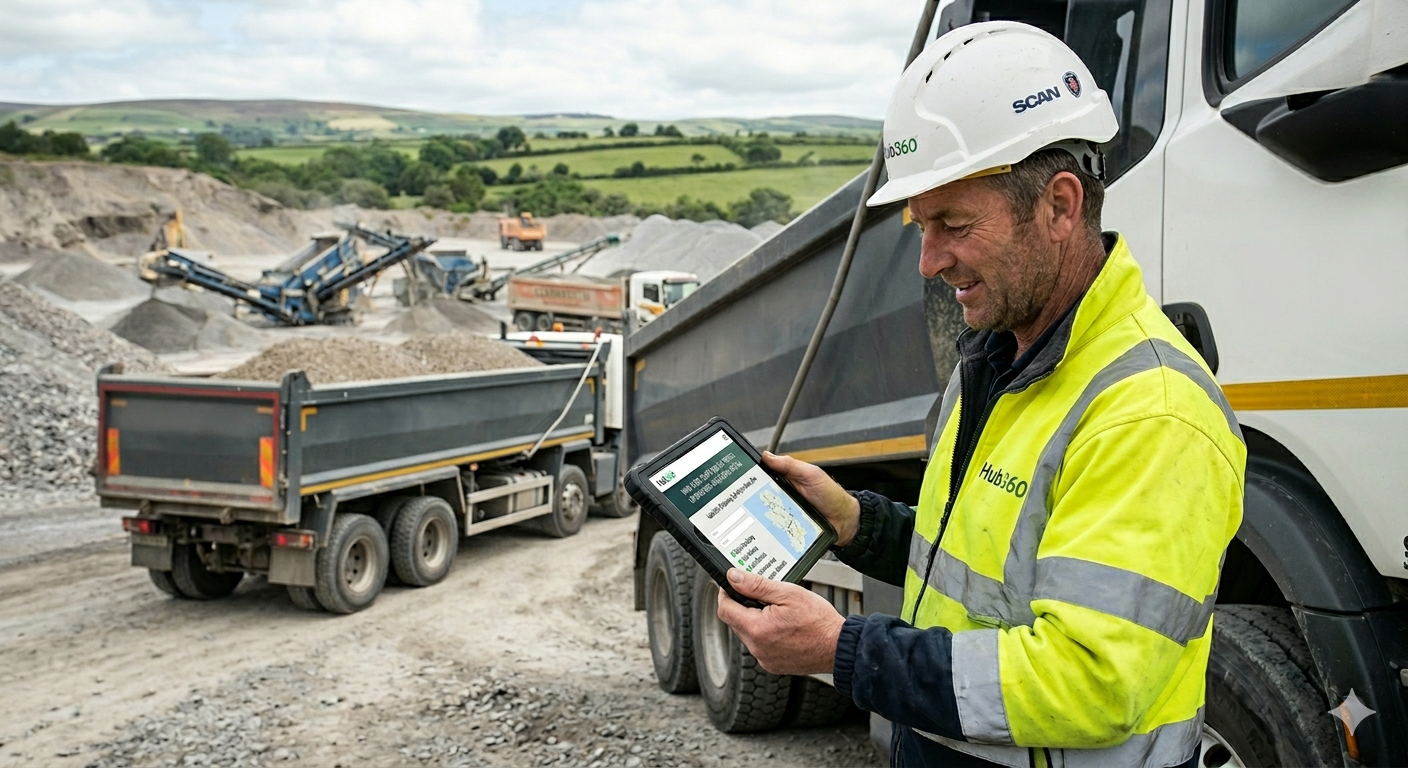
Why Irish Aggregate Suppliers and Tipper Operators Are Going Digital
If you run tipper trucks, deliver stone or sand, move spoil, or manage subcontractors, you'll know that paperwork has a habit of taking over your day.
A simple delivery can involve dockets, phone calls, driver queries, photos, signatures, and trying to work out where loads actually are. Then there's chasing paperwork for invoices and answering customer questions days or even weeks later.
The reality is that most aggregate suppliers and tipper operators didn't get into this business to sit behind a desk.
They got into it to move loads.
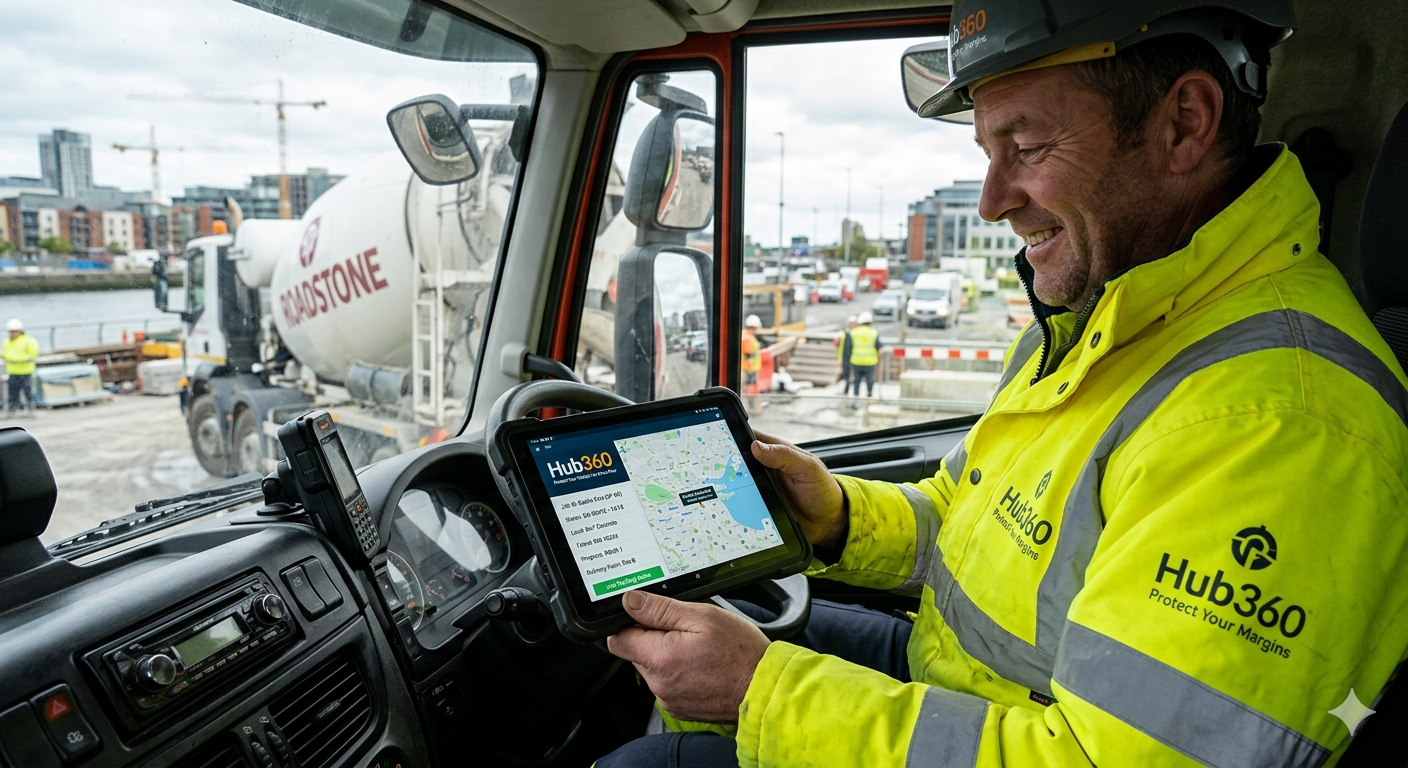
Protect Your Margins on Every Pour with Ready-Mix Concrete Delivery Management Software Ireland
Many Irish ready-mix concrete producers may be eligible to claim up to €5,000 towards digital software through the Local Enterprise Office Grow Digital Voucher.
The grant can help businesses move away from paper processes and invest in digital systems that improve visibility, reduce administration and protect margins.
For many businesses, this support significantly reduces the cost of implementing new technology.
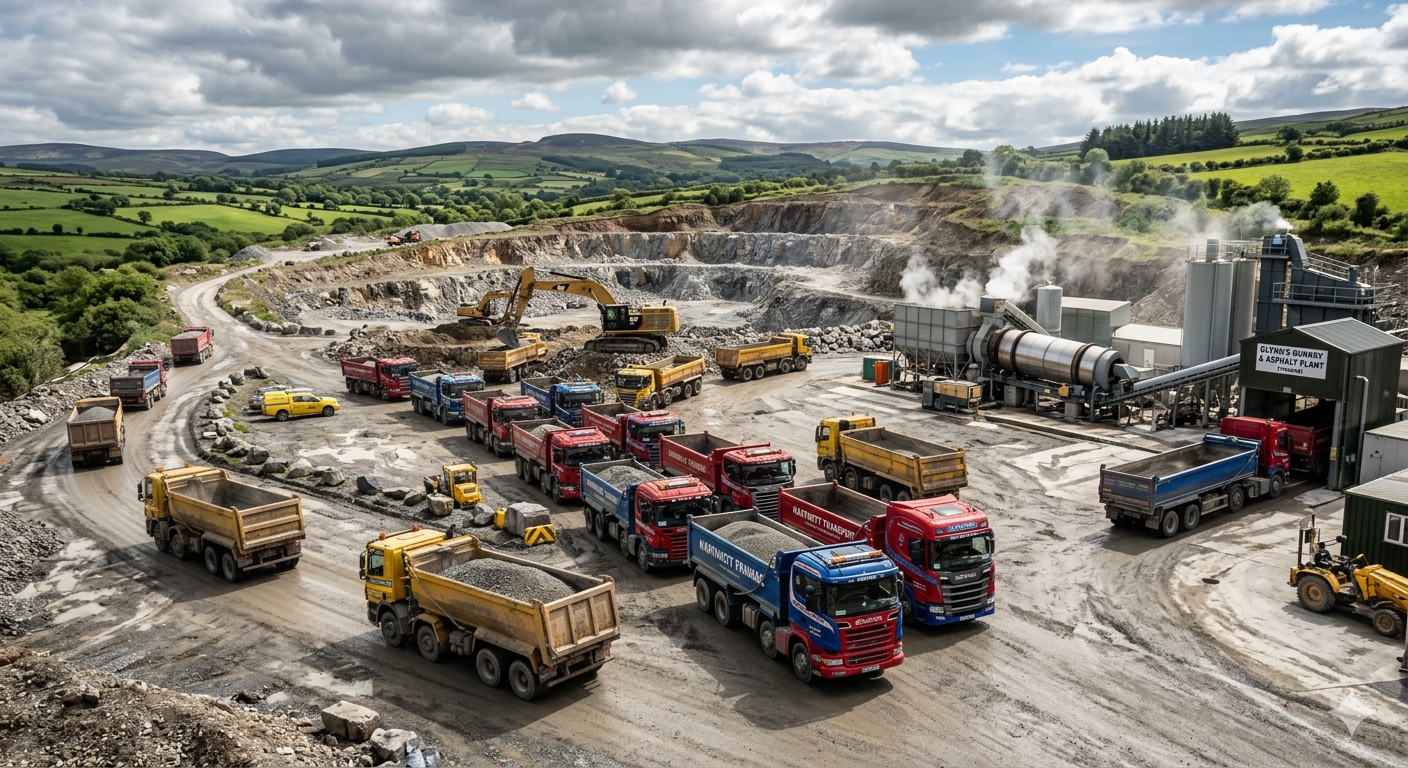
The 7 Things the Most Profitable Tipper Operators Do Differently
What separates the most profitable tipper operators from the rest? We look at the habits, systems and decisions that help successful haulage businesses win more work, get paid faster and grow sustainably.
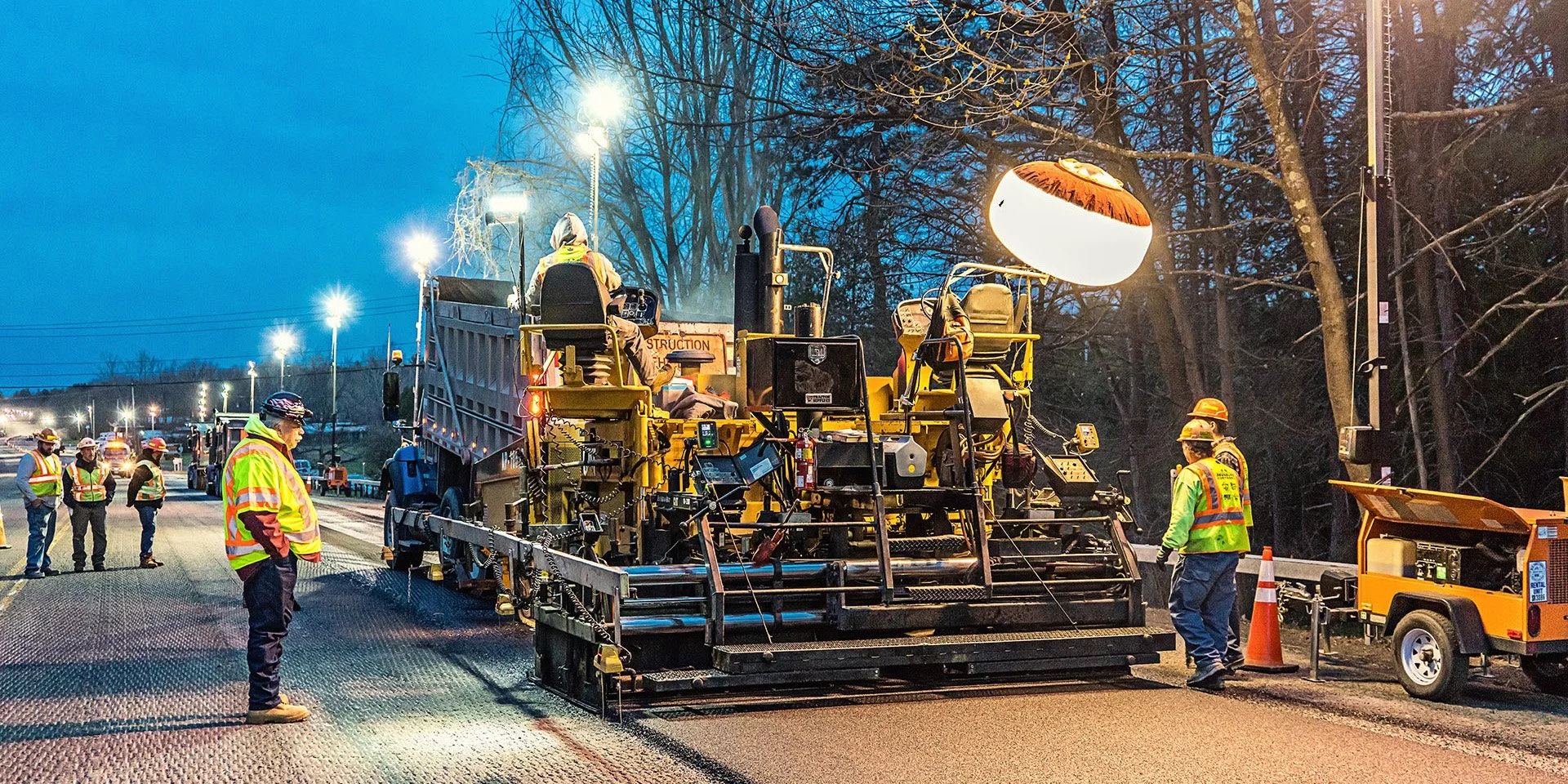
Grow Digital Grant for Asphalt and Planings Operators in Ireland: Create a Digital Chain of Custody for Every Load
The Irish construction sector itself is moving steadily toward digital workflows, with industry surveys showing growing adoption of operational software and structured digital record-keeping.
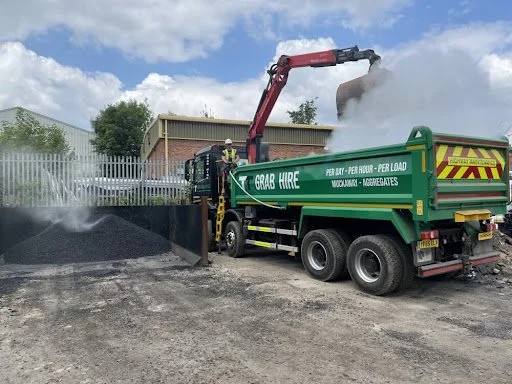
Grow Digital Grant for Aggregate Hauliers in Ireland: Stop Losing Time to Paper Dockets
A missing docket here. Ten minutes chasing a signature there. A customer asking for six weeks of delivery records on a Friday afternoon. Drivers sending photos into WhatsApp groups because paperwork is missing again.
Individually, none of these problems seem major. Across an entire year, they become a serious operational cost.
That is one reason why haulage and construction logistics businesses are steadily moving toward digital workflows. The Irish construction sector itself is already going through a wider digital shift, with industry surveys showing strong growth in the adoption of digital systems across operations and project management.
For aggregate operators, the pressure is practical rather than fashionable:
invoices need to go out faster
customers expect proof immediately
admin teams are stretched
margins are tight
paper creates delays

“My Drivers Won’t Use an App”—Why That’s Not a Problem Anymore
As the construction industry embraces digital transformation, a notable challenge emerges from an older cohort within the workforce resistant to adopting new technologies. This resistance hinders the industry's seamless integration of digital tools. HUB360, having encountered this concern regularly, draws from firsthand experience to overcome these barriers and drive significant change.

What Is a Digital Proof of Delivery (POD) — and Why You Need One
The change in the definition of backfilling in the revised Waste Framework Directive of 2018 reflects the need to address the quality and environmental impact of recovery operations related to construction and demolition waste (C&DW). The original definition, as per Commission Decision 2011/753/EU, described backfilling as a recovery operation where suitable waste is used for reclamation or engineering purposes in excavated areas or landscaping, serving as a substitute for non-waste materials.

Why It’s Time to Ditch Paper Dockets for Good
Paper-based systems are inherently prone to human error. Misplaced orders, lost documents, and data entry errors can significantly impact project timelines and budgets. Digital material management systems, however, offer real-time data entry and retrieval, reducing errors and increasing accuracy. For example, using smart tech waste materials can be tracked accurately from site pick up to waste facility. This not only minimises the risk of issues but also streamlines operations, making the management and audit process 100's more efficient.

The Paper Days Are Over—And Tipper Operators Who Stay Behind Will Lose Out
Ireland’s updated Waste Management guidelines for Construction & Demolition Projects 2021 prioritises the adoption of a circular economy, emphasising reuse and recycling over disposal. This means tracking, tracing and auditing of the movement of Construction materials where the developer must “maintain records for all resource material which is used on site and leaves the site, either for reuse, recycling, energy recovery, backfilling or other recovery or disposal on third party sites” as laid out in the EPA Best Practice Guideline 2021 - for the preparation of resource & waste management plans for construction & demolition projects.