
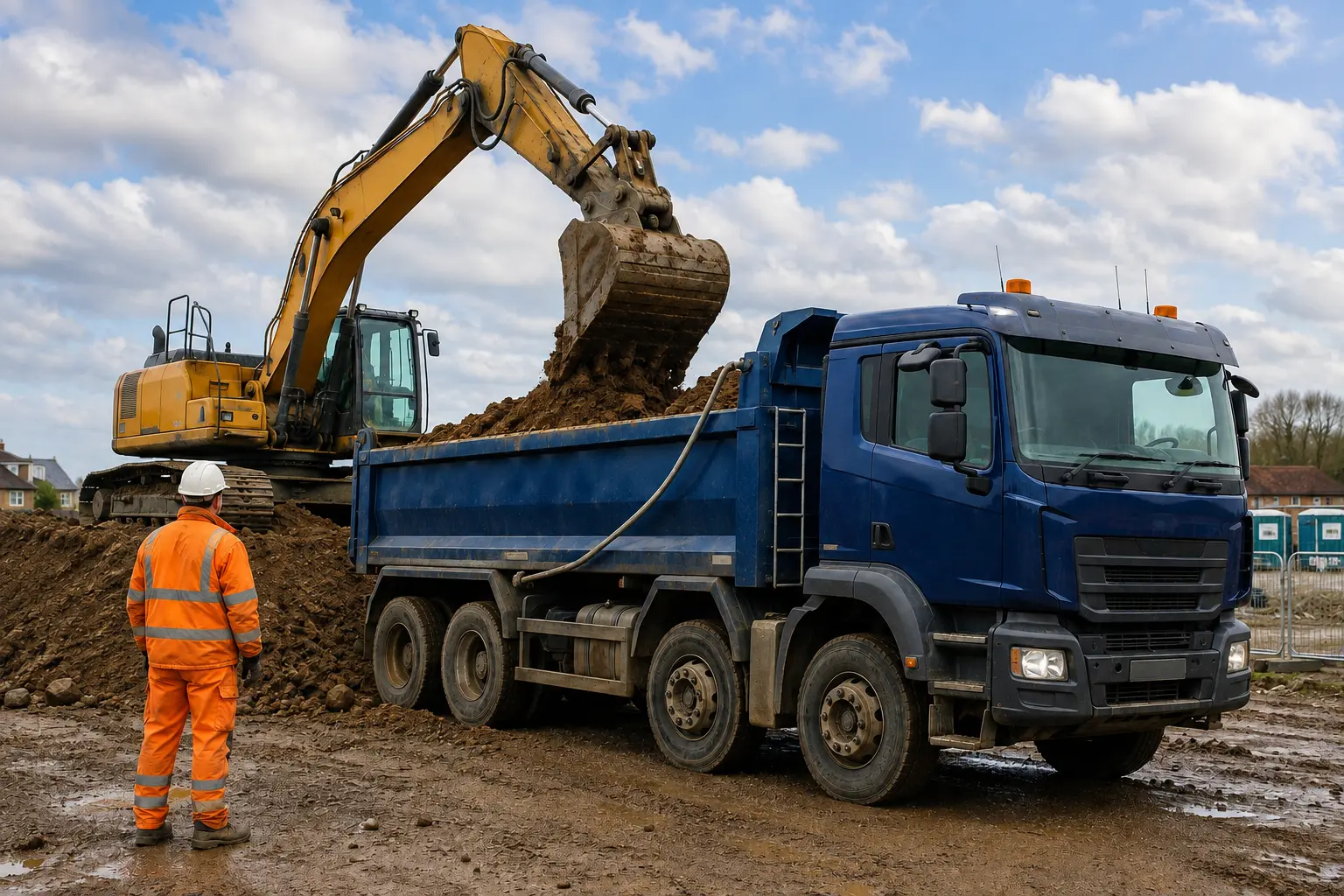
Muck Away Compliance: A Guide to EWC Codes and Chain of Custody
Moving soil, stone and other C&D material can involve waste classification, duty-of-care requirements and a clear record of where each load came from and where it went.
EWC codes and classification
The correct waste code depends on the material and its classification. The waste producer and other responsible parties remain responsible for determining the correct code and whether the material is hazardous or non-hazardous. Operators should use competent advice where required.
Keep the movement record together
A useful movement record can include the customer and job, material description and applicable code, collection and destination, quantity or weight, date, driver and vehicle, plus photos, tickets, permit references or sign-off where the job requires them.
Where Tipper360 helps
Tipper360 can present the driver with the fields required for the selected workflow and keep the completed information together for the office. Structured fields and dropdowns can reduce free typing and make records more consistent.
Tipper360 does not classify waste, guarantee that a code is legally correct, grant a permit or make a movement automatically compliant. The operator remains responsible for checking the information, permissions and legal requirements that apply.
Chain of custody
Digital records can support traceability by keeping the source, destination, material, vehicle and supporting evidence connected to the same job. That gives the office a clearer record when a customer, adviser or regulator asks what happened.
Related guide: See Tipper360 for C&D and muck-away