

Tried a Driver App Before and It Didn’t Work Out?
Tried a driver app that was too complicated or did not suit your
tipper business? See how Tipper360 keeps things simple for drivers and the office.
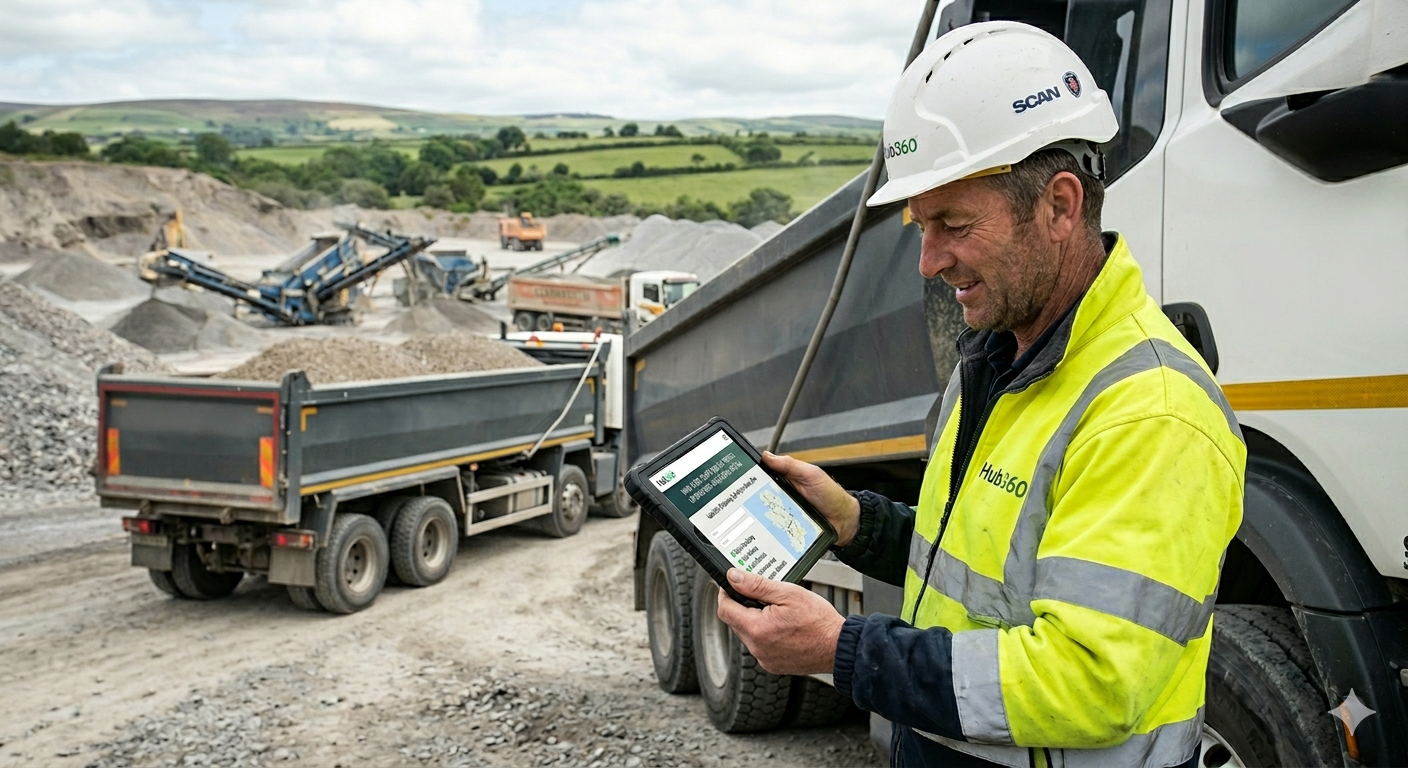
Why Irish Aggregate Suppliers and Tipper Operators Are Going Digital
If you run tipper trucks, deliver stone or sand, move spoil, or manage subcontractors, you'll know that paperwork has a habit of taking over your day.
A simple delivery can involve dockets, phone calls, driver queries, photos, signatures, and trying to work out where loads actually are. Then there's chasing paperwork for invoices and answering customer questions days or even weeks later.
The reality is that most aggregate suppliers and tipper operators didn't get into this business to sit behind a desk.
They got into it to move loads.
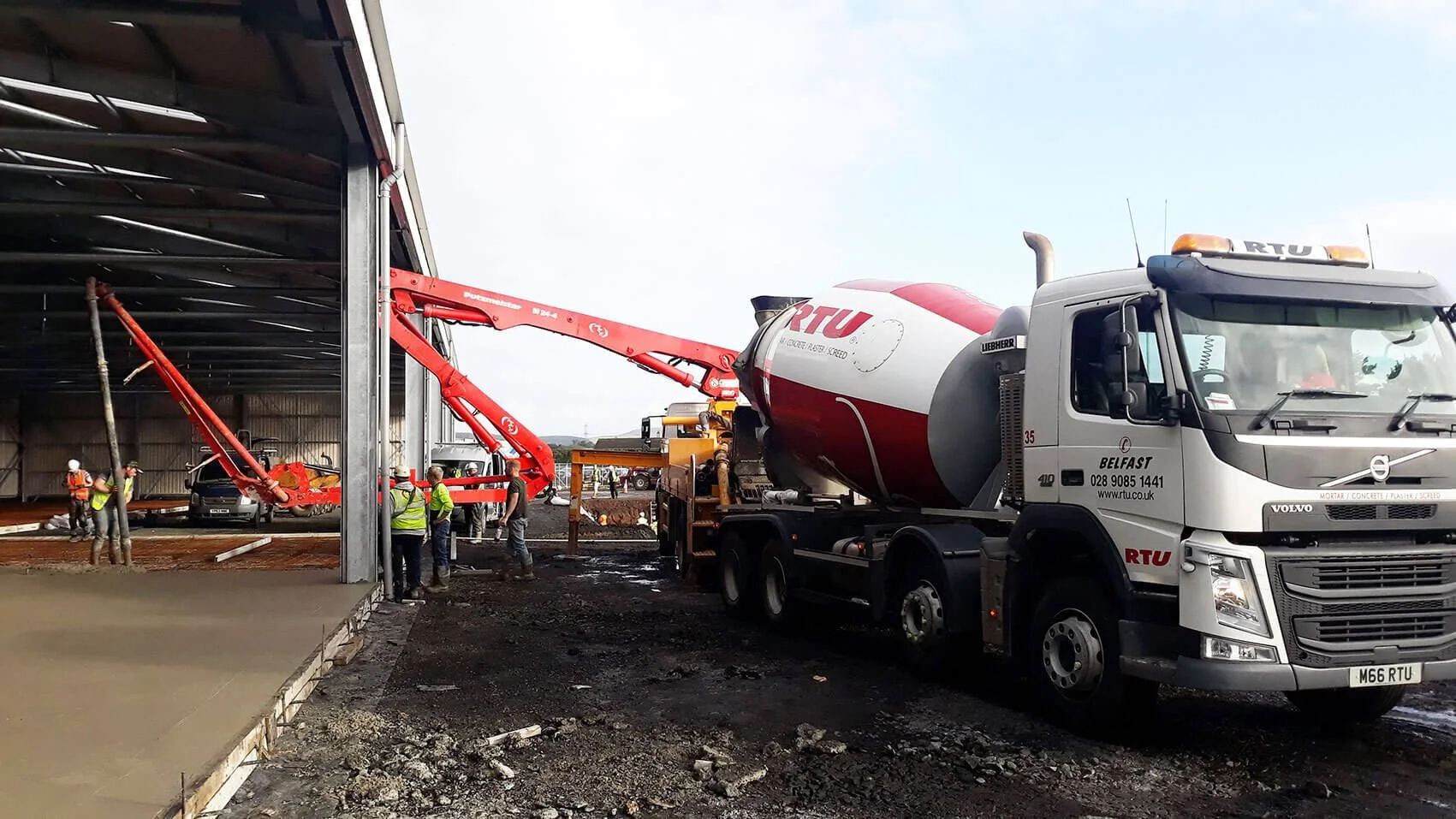
Grow Digital Grant for Ready-Mix Operators in Ireland: Reduce Waiting-Time Disputes and Get Rid of Paper Dockets
For many ready-mix operators, the real problem is not delivering concrete. It is proving what happened after the truck arrived on site.
A driver waits 45 minutes to discharge. Water is added. Someone signs a docket. A photo is taken on a phone. Later, the customer disputes waiting time or queries the load details. The office then has to piece together paper dockets, WhatsApp photos and driver memory before an invoice can go out.
That process is still normal across much of the industry — but it is also expensive.

Grow Digital Grant for C&D Waste Operators in Ireland: Better Waste Records Without the Paper Chase
For many waste operators, the process starts with a simple question:
“How much time are we currently spending chasing paperwork?”
Once that is measured properly, the cost of manual systems is often larger than expected.
The move toward digital record-keeping in construction and waste is already happening. The businesses that can produce fast, organised and searchable proof are likely to operate more efficiently — and respond more effectively when customers, contractors or auditors ask questions later.

“Who Added the Water?”: Use Digital Sign-Off to Protect Your Loads and Reputation
Ask any concrete supplier what causes the most painful disputes, and “water added on site” will be near the top of the list. A truck leaves the plant with a mix that meets spec. It arrives to a busy site, someone wants it wetter, and the next thing you hear is that the test cubes failed and the plant is being blamed.
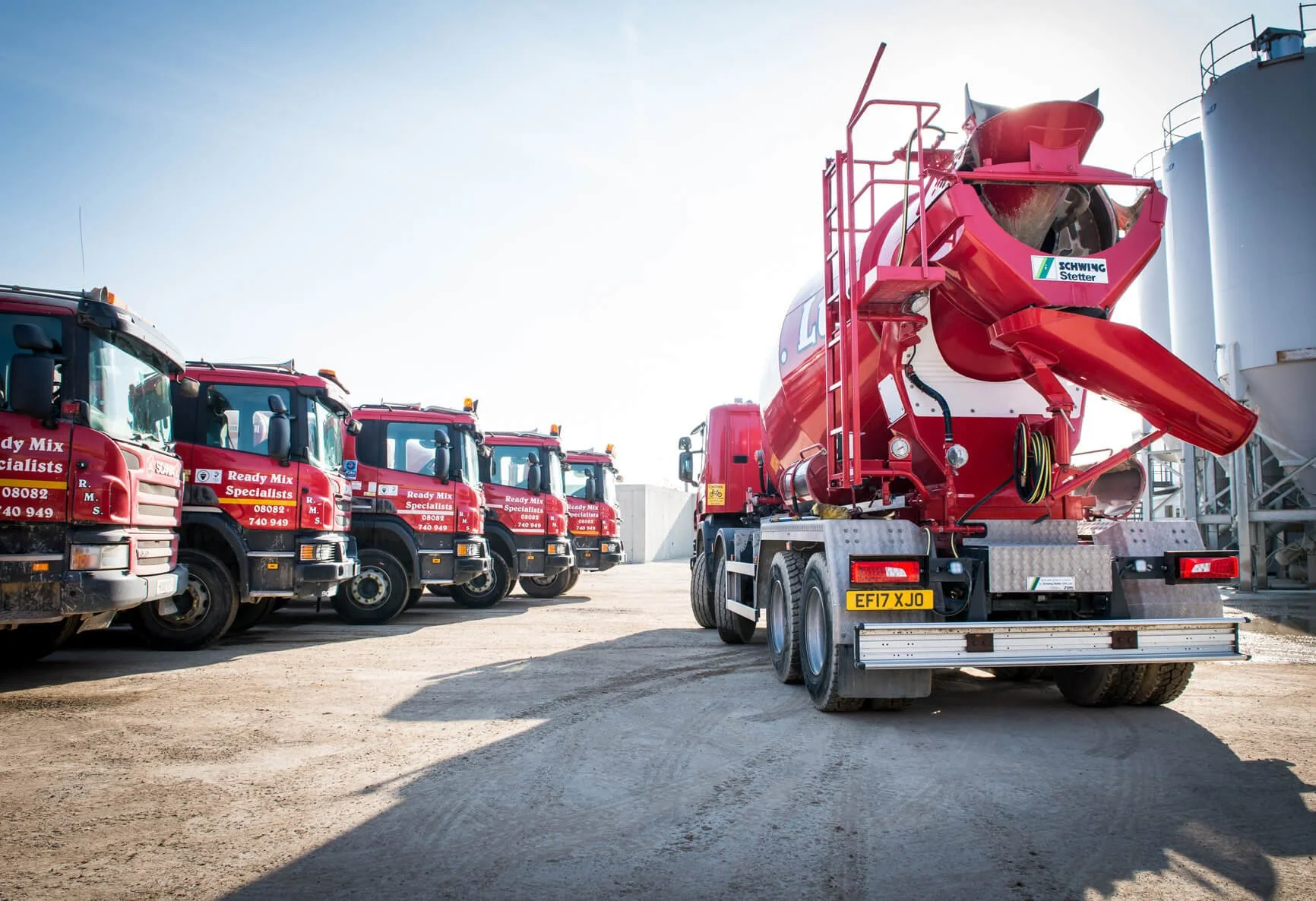
Concrete Delivery Tracking for Ready-Mix Fleets: Stop Losing Loads and Margin
Running a ready-mix concrete fleet is a balancing act. You are trying to keep trucks moving, keep plants, drivers and sites happy, and still make money on every load. When there is a delay or a rejected load, the first finger often points at the truck – even when the problem wasn’t yours.